


What makes a school truly valuable for a child? Is it strong academic performance? Good sports facilities? Creative activities? Leadership opportunities? Or a learning environment where children can experience all of these together?
For many parents, choosing a school is no longer only about marks and examination results. They also want their children to develop confidence, creativity, communication skills, discipline, teamwork, and the ability to handle different situations. This is where the idea of an academic and extracurricular balance becomes important.
Modern CBSE schools increasingly provide students with opportunities to learn inside and outside the classroom. Academics remain an essential part of education, while sports and extracurricular activities can give children opportunities to explore interests, develop practical skills, and participate in collaborative experiences.
The real challenge is not choosing between academics and activities. It is creating a school environment where both can support a child’s overall development.
A School Day Is About More Than Textbooks
One spends the entire school day moving from one academic lesson to another. The other attends academic classes but also gets time to participate in sports, creative activities, group projects, competitions, or other school programmes.
Both students may learn their subjects.
But the second student may also have opportunities to discover:
“I enjoy playing football.”
“I am comfortable speaking on stage.”
“I can lead a team.”
“I am good at drawing.”
“I enjoy solving problems with my classmates.”
These discoveries can be an important part of growing up.
That is why CBSE school activities can complement classroom learning rather than simply compete with it.
Academics Still Remain at the Centre
A balanced approach does not mean reducing the importance of academics.
Strong foundations in mathematics, science, languages, social sciences, and other subjects remain essential to a student’s education.
The goal is to create a learning environment where academic learning and other experiences can coexist.
For example, students may learn about health and nutrition in class and then understand the importance of physical activity through sports. A science lesson may encourage curiosity that later becomes a school project. A language lesson may help a student prepare for a speech, debate, or drama activity.
When different learning experiences connect with one another, education can become more meaningful.
Why Sports Deserve a Place in School Life
Sports are sometimes viewed simply as a break from studying.
But for children, sports can provide opportunities to learn skills that are difficult to develop through textbooks alone.
A team game may require students to communicate quickly, cooperate with teammates, follow rules, make decisions, and respond when things don’t go as planned.
Individual sports can encourage discipline, practice, focus, and personal improvement.
This is why CBSE school academics and sports should not necessarily be viewed as competing priorities. With thoughtful scheduling and support, sports can become another part of a student’s learning experience.
At Divya Jyot School, sports and physical education are included within the broader student experience, with opportunities for children to participate in different sporting activities. Explore Divya Jyot School’s Sports Activities
Extracurricular Activities Give Children Room to Explore
Not every student discovers their strengths through examinations.
Some children find their confidence through music. Others enjoy art, theatre, public speaking, coding, dance, debates, or creative projects.
This is where sports and extracurricular activities can make school life more diverse.
Extracurricular opportunities can help students explore interests that may not appear during regular academic lessons.
For example:
- A debate can encourage public speaking.
- A drama activity can build confidence.
- Art can encourage creativity.
- Music can provide an outlet for expression.
- A school competition can teach preparation and perseverance.
- Group projects can encourage collaboration.
- Sports can develop teamwork and discipline.
The purpose isn’t to make every student participate in everything. Instead, children should have opportunities to discover what interests them.
The Question Parents Often Ask: “Will Activities Affect Studies?”
This is one of the biggest concerns parents may have.
If a child spends time on sports or extracurricular activities, will there be enough time for academics?
The answer depends largely on how the school structures the day.
A well-planned school timetable can give students dedicated time for academic lessons, physical activity, creative experiences, breaks, and other programmes.
The objective is not to fill every minute of the school day.
It is to use time thoughtfully.
Students also benefit from learning how to manage different responsibilities. Completing homework, attending practice, preparing for a competition, and participating in classroom work can encourage time-management habits when appropriately structured.
Balance Does Not Mean Equal Time for Everything
A common misunderstanding about balance is that every activity needs exactly the same amount of time.
That’s not necessarily true.
A student’s academic requirements may change according to their age and grade. Sports schedules may vary. Competitions and school events may be seasonal. Some extracurricular programmes may happen weekly, while others may take place occasionally.
The goal is a balanced educational experience, not an identical timetable for every student.
Schools need to consider:
- Student age
- Academic workload
- Activity schedules
- Rest and recreation
- Individual interests
- Assessment periods
- Participation levels
This flexible approach can make it easier for students to enjoy activities without losing focus on their studies.
What Holistic Development Really Means
The phrase holistic development in students is often used in education, but what does it actually mean?
It means looking at a child’s development from multiple perspectives instead of focusing only on academic performance.
A student’s development can involve:
Academic growth – understanding concepts and developing subject knowledge.
Physical development – building fitness, coordination, and healthy activity habits.
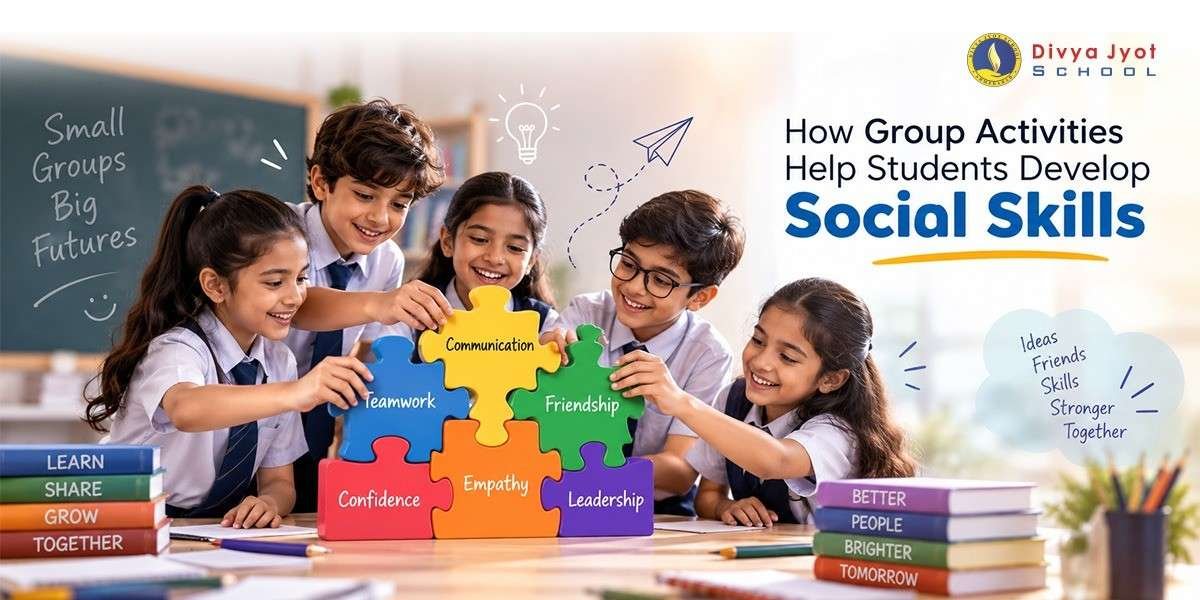
Social development -learning to communicate, cooperate, and interact with others.
Emotional development – developing confidence, self-awareness, and resilience.
Creative development – exploring imagination and self-expression.
Practical development – learning responsibility, decision-making, and problem-solving.
Sports and extracurricular programmes can contribute to some of these areas when they are thoughtfully designed and supported.
What Does a Balanced School Environment Look Like?
You can often see balance in the everyday life of a school.
A student may start the morning with mathematics, move to a science lesson, participate in a group activity, spend time on the playground, and later work on a creative project.
The child isn’t learning five unrelated things.
They are developing different abilities throughout the day.
A mathematics lesson may strengthen logical thinking.
A group project may develop collaboration.
Sports may encourage discipline and teamwork.
A creative activity may encourage imagination.
A presentation may improve communication.
Together, these experiences can create a broader educational journey.
How CBSE Schools Can Connect Activities With Classroom Learning
Activities become even more meaningful when they connect with academic concepts.
For example, schools can use:
Science + Sports
Students can explore concepts related to movement, nutrition, fitness, or the human body.
Mathematics + Activities
Students can use measurements, statistics, scores, or data collected from practical activities.
Languages + Theatre
Students can improve vocabulary, expression, pronunciation, and confidence through role play.
Social Studies + Projects
Students can research communities, cultures, historical events, or environmental issues and present their findings creatively.
Art + Academic Projects
Students can use visual design to communicate information learned in class.
These connections can make academic concepts feel more relevant and engaging.
Activities Can Teach Lessons That Marks Cannot Show
Consider a student participating in a school competition.
They prepare for weeks but don’t win.
From an examination perspective, there may be no “marks” for that experience.
But the student may have learned how to prepare, handle pressure, accept an outcome, appreciate another participant’s performance, and try again.
Similarly, a student who plays on a sports team may learn that individual talent is not enough. Teammates have to communicate and cooperate.
These experiences can contribute to holistic development in students in ways that aren’t always captured by a report card.
How Divya Jyot School Approaches Learning Beyond Academics
Divya Jyot School in Shilaj, Ahmedabad, the school presents education as a combination of academics, activities, sports, values, and life skills.
The school’s approach includes opportunities for students to participate in sports, creative experiences, co-curricular programmes, and activities designed to support different aspects of student development. Its sports programme provides students with opportunities to participate in physical activities while developing qualities such as discipline and teamwork.
For parents exploring CBSE schools in Ahmedabad, looking at the complete student experience not just academic results can help provide a clearer picture of how a school supports children’s development.
What Parents Should Look for When Comparing Schools
Parents searching online for the best CBSE schools in Ahmedabad may come across many schools highlighting academic results, infrastructure, facilities, or activities.
Instead of focusing on one feature alone, parents can ask practical questions:
- How much time do students get for sports?
- What extracurricular activities are available?
- Are students encouraged to participate?
- How are activities scheduled around academics?
- Does the school provide opportunities for competitions?
- Are students given leadership opportunities?
- How does the school support different interests?
- Are physical education and creative activities part of regular school life?
Visiting the school and understanding its daily environment can also help parents evaluate whether its approach matches their child’s needs and interests.
Finding the Right Balance for Different Students
Every child is different. One student may love academics but have little interest in sports. Another may spend every free moment playing a sport. Someone else may discover their confidence through theatre or music.
A good educational environment does not require every child to follow exactly the same path.
Instead, it can provide different opportunities and allow students to explore their interests while maintaining appropriate academic expectations.
This flexibility can make school more engaging and help children understand their own strengths.
The Future Requires More Than Academic Knowledge
As students grow older, they will encounter situations where academic knowledge alone may not be enough.
They may need to present an idea, work with a team, manage responsibilities, solve an unexpected problem, communicate with different people, or adapt to a new situation.
Experiences gained through sports and extracurricular activities can provide opportunities to practice some of these abilities.
That is why a balanced school experience can be valuable from the early years onward.
Final Thoughts
The conversation around CBSE schools is often focused on academics, examinations, and results. These remain important parts of education, but they are only one part of a child’s development.
A thoughtful academic and extracurricular balance gives students opportunities to learn through lessons, sports, creative activities, projects, competitions, and social experiences.
The goal isn’t to choose academics over activities or activities over academics.
It is to create an environment where both can contribute to a student’s growth.
For parents considering CBSE schools in Ahmedabad, looking beyond the classroom can therefore be worthwhile. Explore how a school approaches academics, sports, extracurricular opportunities, student wellbeing, creativity, teamwork, and practical learning.
At Divya Jyot School, Shilaj, this broader approach to education is reflected in the school’s focus on academics alongside sports, activities, values, and life skills.
Because a child’s school journey is about more than preparing for the next examination. It is also about discovering interests, developing confidence, building relationships, learning responsibility, and becoming ready for the world beyond school.